In today’s digital workplace, email remains the backbone of professional communication. Whether you’re reaching out to a potential client, collaborating with team members, or following up on a business opportunity, understanding proper email etiquette can make the difference between building strong professional relationships and creating misunderstandings. This comprehensive guide will walk you through the essential principles of email communication that every professional should master.
Why Email Etiquette Matters in Modern Business
Email might seem like a straightforward communication tool, but it’s surprisingly easy to make mistakes that can damage your professional reputation. A poorly written email can come across as rude, unprofessional, or confusing, even when that wasn’t your intention. On the other hand, mastering proper email etiquette demonstrates respect for the recipient’s time, enhances your credibility, and increases the likelihood of getting the responses you need.
Consider this: the average office worker receives over 120 emails per day. In this crowded inbox environment, your email needs to stand out for the right reasons. Professional, well-crafted emails get read, responded to, and remembered positively.
Crafting the Perfect Subject Line
Your subject line is the first impression your email makes, and it often determines whether your message gets opened immediately, saved for later, or ignored entirely. A strong subject line should be specific, concise, and action-oriented when appropriate.
Avoid vague subject lines like “Question” or “Following Up.” Instead, be specific: “Question About Q1 Marketing Budget” or “Following Up on Thursday’s Client Presentation.” Keep your subject line under 50 characters when possible, as many email clients truncate longer ones on mobile devices.
For urgent matters, you can use tags like “Action Required” or “Time-Sensitive,” but use these sparingly. Overusing urgency markers diminishes their impact and can annoy recipients.
Starting Your Email the Right Way
The greeting sets the tone for your entire message. Understanding proper email etiquette means knowing how to address recipients appropriately based on your relationship and the context.
For formal business communications, use “Dear Mr. Smith” or “Dear Ms. Johnson.” When you’re unsure about someone’s preferred title or gender, use their full name: “Dear Jordan Smith.” For professional but less formal situations, “Hello” or “Hi” followed by the person’s first name works well, especially if you’ve already established a relationship.
Always avoid overly casual greetings like “Hey” or “Yo” in professional contexts, regardless of how well you know the recipient. Save these for personal emails with close friends.
Writing Clear and Concise Email Body Content
The body of your email should be focused, organized, and easy to scan. Start with the most important information first, especially if you’re making a request or sharing critical updates.
Keep paragraphs short—ideally 2-3 sentences each. Use bullet points or numbered lists when presenting multiple items or steps. This formatting makes your email scannable and helps busy professionals quickly grasp your key points.
Avoid writing walls of text. If your email extends beyond three or four short paragraphs, consider whether the information would be better communicated in a document attachment or a scheduled call.
Be direct but polite. State your purpose clearly within the first few sentences. If you’re requesting something, make it obvious what you need and by when. Phrases like “I’m writing to request your feedback on the attached proposal by Friday, January 10th” leave no room for confusion.
Maintaining Professional Tone and Language
Your tone in written communication can be easily misinterpreted, which is why following proper email etiquette includes being mindful of how your words might be perceived.
Avoid using all caps, which reads as shouting. Minimize exclamation points—one per email is usually sufficient, and only when expressing genuine enthusiasm or gratitude. Too many exclamation points can make you seem unprofessional or overly emotional.
Be cautious with humor and sarcasm. What seems funny to you might not translate well in writing, and sarcasm often comes across as rude or confusing without vocal tone and facial expressions.
When delivering bad news or declining requests, be diplomatic. Instead of “I can’t do that,” try “I’m unable to accommodate this request due to current commitments, but I’d be happy to suggest an alternative.”
Responding Appropriately and Timely
Part of proper email etiquette involves knowing when and how to respond. As a general rule, aim to reply to business emails within 24 hours, even if just to acknowledge receipt and indicate when you’ll provide a full response.
If you need time to gather information or make a decision, send a brief acknowledgment: “Thanks for your email. I need to review this with my team and will get back to you by Wednesday afternoon.”
When replying, address all questions or points raised in the original email. Nothing frustrates senders more than having to follow up because you only answered half their questions.
Use “Reply” when responding to the sender alone, and “Reply All” only when everyone on the thread truly needs to see your response. Unnecessary “Reply All” emails are one of the most common email pet peeves in the workplace.
Handling Attachments and Links Professionally
When including attachments, always mention them in your email body: “Please find the Q4 report attached for your review.” This helps ensure the recipient knows to look for and download the file.
Before sending, verify that you’ve actually attached the file. We’ve all experienced the embarrassment of sending an email about an attachment that isn’t there. Consider attaching files before writing the email body to avoid this mistake.
Use clear, descriptive file names. Instead of “Document1.pdf,” use “2026_Marketing_Proposal_ABC_Company.pdf.” This makes it easier for recipients to organize and reference your files later.
For large files, consider using file-sharing services like Google Drive or Dropbox rather than clogging up someone’s inbox. Include a download link with appropriate access permissions.
Closing Your Email Professionally
Understanding proper email etiquette extends to how you end your messages. Your closing should match the tone of your email and your relationship with the recipient.
For formal business emails, use closings like “Sincerely,” “Best regards,” or “Kind regards.” For less formal professional communications, “Best,” “Thanks,” or “Regards” work well. Avoid overly casual closings like “Cheers” or “Later” unless you have an established informal relationship.
Always include a signature block with your full name, title, company name, and contact information. This makes it easy for recipients to reach you through alternative channels if needed and reinforces your professional identity.
Common Email Mistakes to Avoid
Even professionals who generally practice proper email etiquette sometimes make these common mistakes. Be aware of them to maintain your professional image.
Never send emails when you’re angry or emotional. Draft the message, save it, and review it after you’ve calmed down. You can’t unsend an email once it’s delivered.
Avoid using excessive formatting. While bold or italic text can emphasize key points, using multiple fonts, colors, or sizes makes your email look unprofessional and difficult to read.
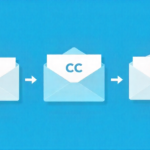
Don’t CC or BCC people unnecessarily. Only include people who truly need to be in the conversation. When using BCC, be aware that if someone “replies all,” your BCC recipients will be revealed.
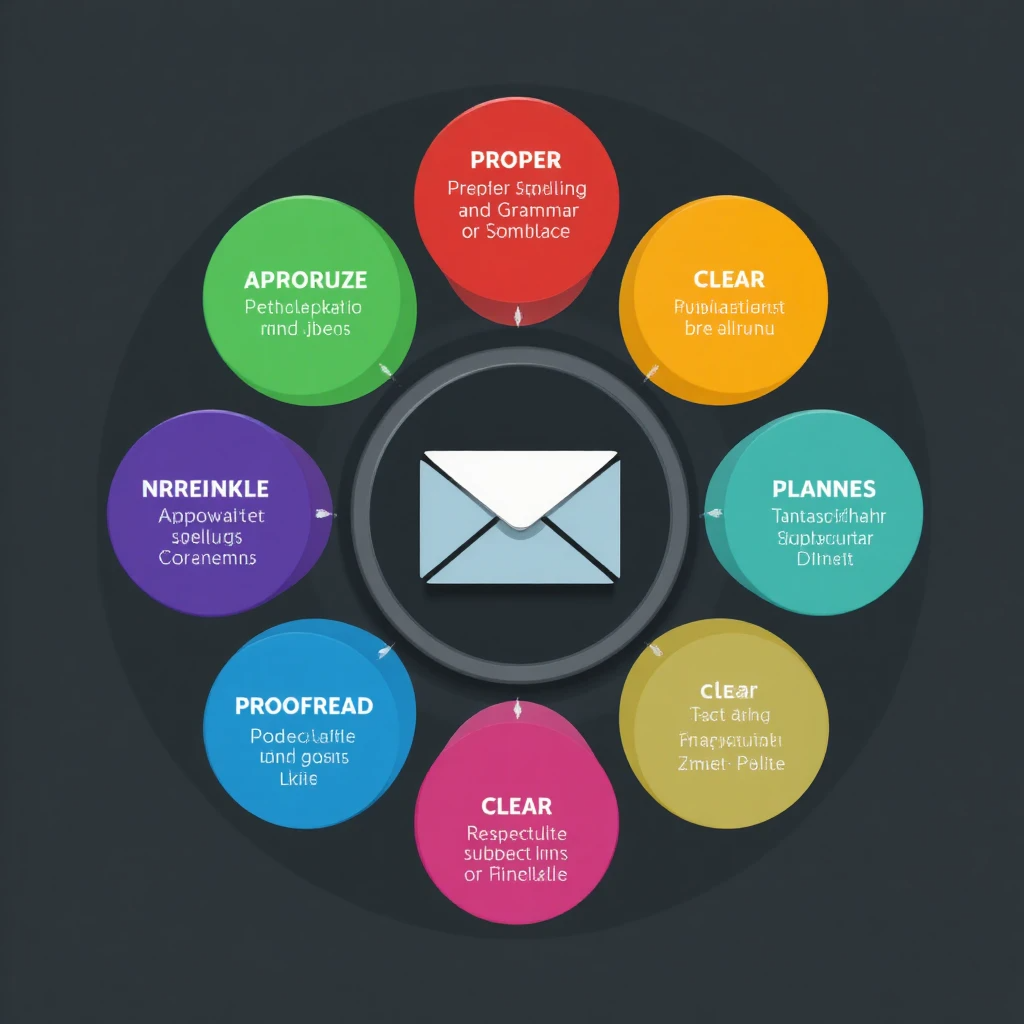
Proofread before sending. Typos and grammatical errors undermine your credibility and suggest carelessness. Read your email out loud or use grammar-checking tools to catch mistakes.
Frequently Asked Questions
What is the best time to send professional emails?
Send business emails during standard working hours (9 AM to 5 PM) in the recipient’s time zone when possible. Avoid sending emails late at night or on weekends unless it’s truly urgent, as this can create pressure for immediate responses.
How long should I wait before sending a follow-up email?
Wait at least 2-3 business days before following up on a non-urgent email. For time-sensitive matters, you can follow up within 24 hours, but always reference your previous message and politely inquire if they had a chance to review it.
Should I use emojis in professional emails?
Avoid emojis in formal business correspondence, client communications, or first-time interactions. They may be acceptable in internal team emails or with colleagues you know well, but err on the side of professionalism when in doubt.
How do I politely decline a request via email?
Express appreciation for being considered, provide a brief and honest reason for declining, and offer an alternative solution if possible. Keep your tone respectful and maintain the relationship by leaving the door open for future opportunities.
What should I do if I accidentally sent an email to the wrong person?
Send an immediate follow-up email to the unintended recipient apologizing for the mistake and asking them to disregard or delete the message. If the email contained sensitive information, notify your supervisor or IT department depending on your company’s protocol.
Is it okay to use abbreviations like FYI or ASAP in emails?
Common business abbreviations like FYI, ASAP, or EOD are generally acceptable in professional emails, especially with colleagues. However, avoid text-speak abbreviations like “ur” or “thx” and spell out acronyms that might be unfamiliar to the recipient.
How many people should I CC on an email?
Only CC people who genuinely need to be informed or involved in the conversation. Overcrowding emails with unnecessary recipients wastes people’s time and can lead to confusion about who should respond or take action.
Should I use read receipts for business emails?
Use read receipts sparingly as they can seem intrusive or mistrustful. Reserve them for truly critical communications where you need confirmation of delivery, and consider mentioning in your email that you’ve requested a receipt.
What’s the proper way to introduce two people via email?
Put both people in the “To” field, clearly state why you’re connecting them, provide brief relevant background about each person, and suggest a next step. Then move yourself to BCC on subsequent replies to remove yourself from the thread.
How formal should my email signature be?
Your signature should include your full name, job title, company name, and primary contact information at minimum. Keep it professional and concise—avoid inspirational quotes, lengthy disclaimers, or oversized logos that clutter the recipient’s inbox.
Moving Forward with Confidence
Mastering professional email communication doesn’t happen overnight, but by consistently applying these principles, you’ll develop habits that serve you throughout your career. Remember that every email you send is a reflection of your personal brand and professional standards.
Take time to review your sent emails periodically. Look for patterns in how people respond to different styles and approaches. Adapt your communication style based on what works best for your audience while maintaining these core principles of proper email communication.
The investment you make in improving your email etiquette will pay dividends in stronger professional relationships, more productive collaborations, and enhanced career opportunities. Start implementing these practices today, and you’ll quickly see the positive impact on your professional communications.
Conclusion
Mastering proper email etiquette is no longer optional in today’s digital workplace—it’s an essential skill that shapes your professional reputation and career success. From crafting clear subject lines to maintaining appropriate tone and responding promptly, every element of your email communication reflects your professionalism and attention to detail.
By implementing the strategies outlined in this guide, you’ll not only improve your response rates and workplace relationships but also position yourself as a reliable and respected communicator. Remember that effective email communication is a learnable skill that improves with practice and mindful application of these principles.